
Note: This is a hybrid event! We invite you to join us in-person at the Santa Cruz Elks Lodge, 150 Jewell Street Santa Cruz, 95060, or via Zoom (see below for Zoom registration form)!
Join SCAS for a presentation by Andrew Matessa and Phoenix Rumbaugh on: “Belchite and the Lost Synagogue.”
DATE: Thursday, December 3, 2026
TIME: 7:30 – 8:30 PM (Pacific)
ZOOM REGISTRATION FORM: Meeting Registration – Zoom RSVP for Zoom by 6:30 PM on Thursday, December 3, 2026
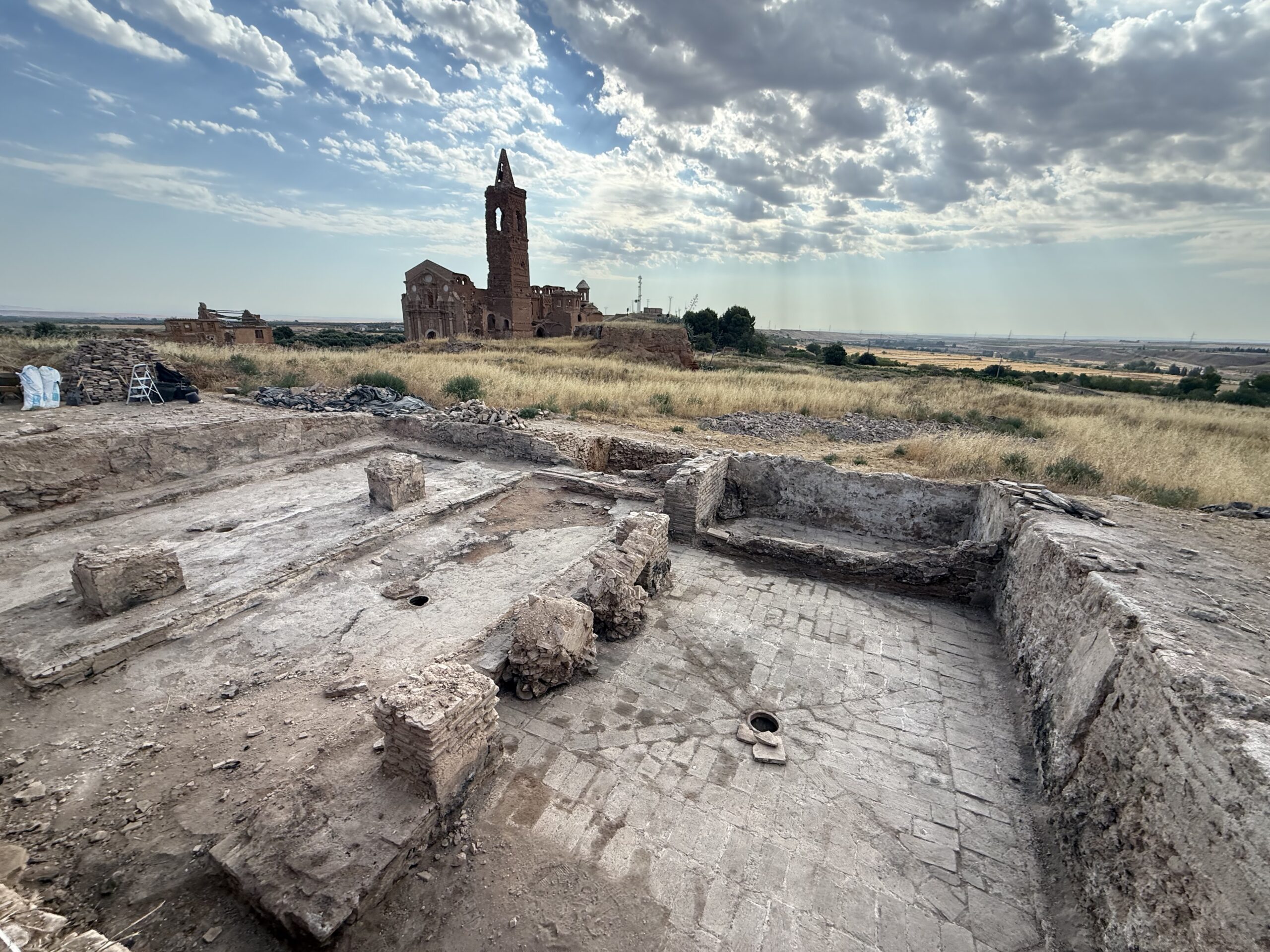 This talk recaps the summer 2025 and 2026 excavations of a 14th-century synagogue found among the ruins of Belchite Viejo, a rural Spanish town that was destroyed during the Spanish Civil War, in 1937. Conducted under the direction of lead archaeologist Alfonso Fanjul, the primary goal of this research was to gather evidence confirming that these ruins are the site of an abandoned synagogue known from written history. Alongside an extensive assortment of Civil War-era materials, the fieldwork unearthed Europe’s oldest known Torah reading platform. In this presentation, the speakers will discuss the discovery of carbonized seed remains, early plaster decoration, and animal remains, along with other archaeological finds demonstrating the history of Belchite.
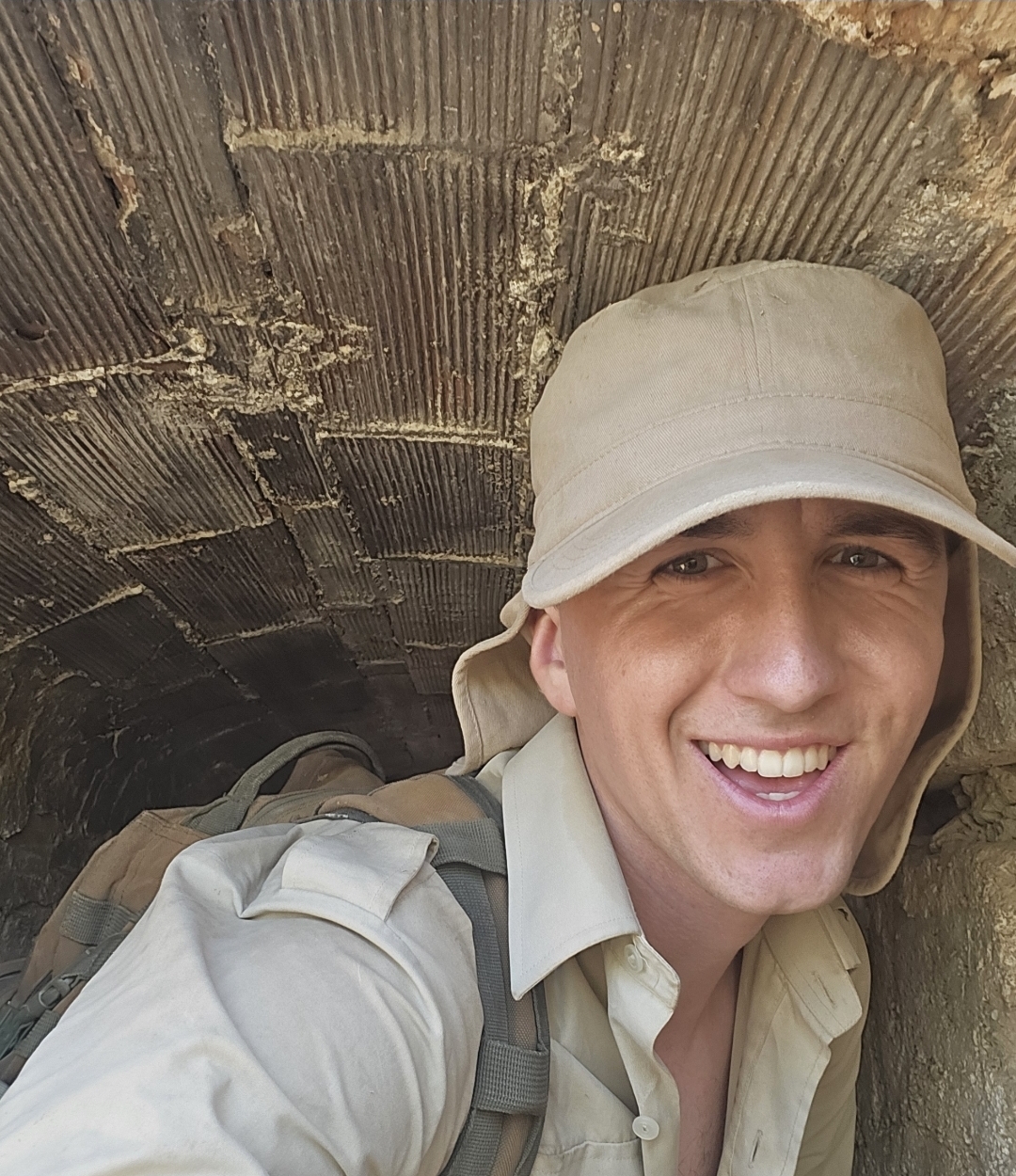 Andrew Matessa is currently a senior at the University of California, Berkeley. Originally from the Santa Cruz Mountains, he earned his associate’s degree at Cabrillo College before transferring to UC Berkeley. His research interests focus primarily on the archaeology of the 1930s and 1940s, including sites of political turmoil and battlefield recovery operations. He has worked for several Cultural Resource Management firms on projects along the California coast and in the Sierra Nevada Mountains. Currently, he works in both the Berkeley Historical Archaeology Lab and the Bear Bones Lab. Earlier this year, Andrew presented research at the Society for California Archaeology’s annual meeting in Palm Springs focusing on the use of handheld LiDAR to compile a digital comparative artifact collection to help recovery crews locate the remains of missing World War II pilots at airplane crash sites.
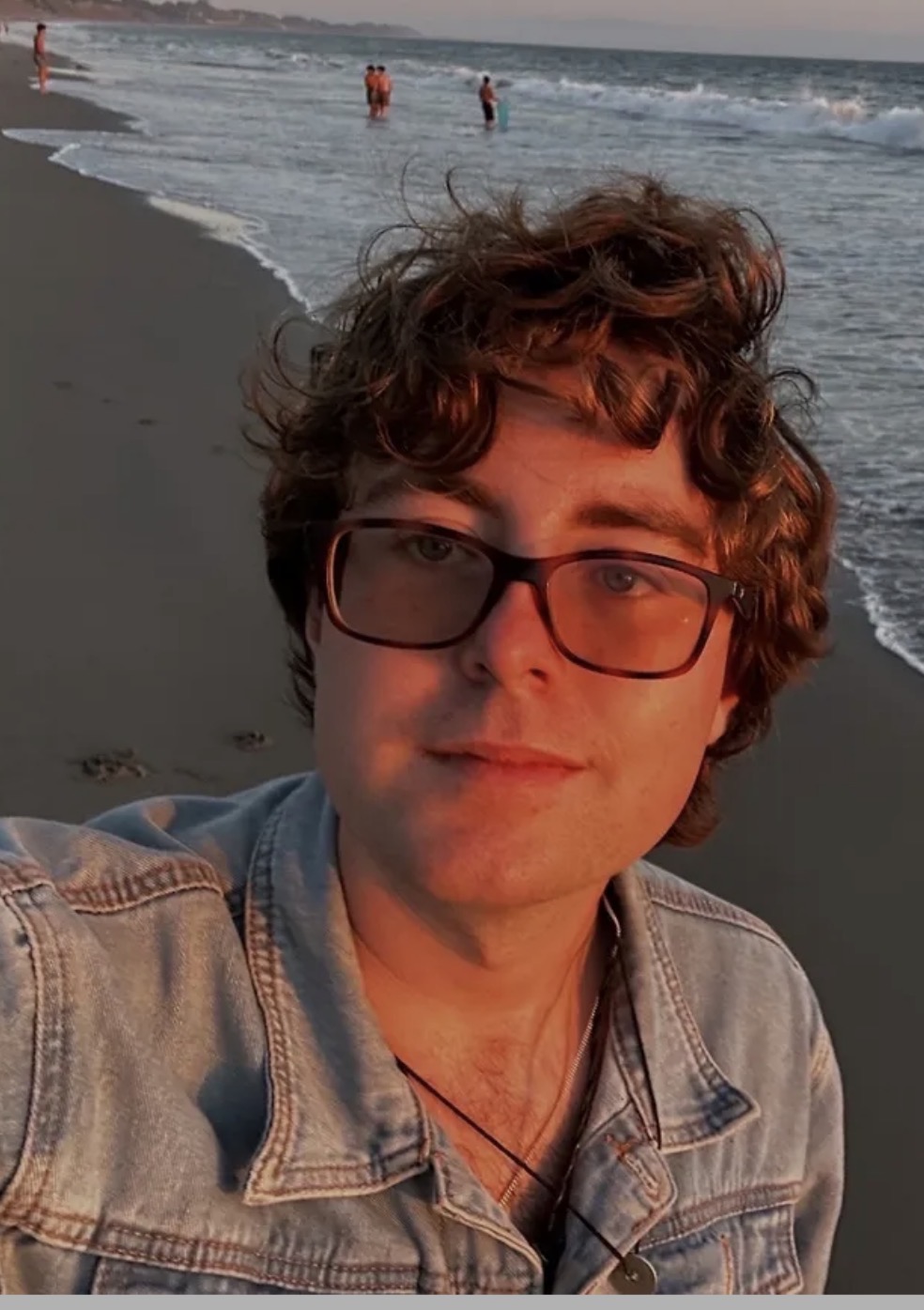 Phoenix Rumbaugh grew up in Santa Cruz County, and has always had a fascination with local history. When in high school, he led local history walks around town for fellow students. That fascination has grown, and he enjoys contributing knowledge to the academic community. Phoenix is the current president of the Santa Cruz Archaeological Society, and was the co-founder of the Archaeology Club at UC Santa Cruz, before he recently graduated. He has conducted archaeological research in Spain and Scotland, as well as in California, and he recently finished his senior thesis on early cattle domestication in northern Spain. He also just completed a digitized collection of anthropologist Frank Latta’s personal manuscripts. He has engaged in archaeological survey and monitoring work, and enjoys participating in volunteer archaeology activities. He has attended three archaeological field schools, the first through Cabrillo College. His main goal of founding the UCSC Archaeology Club was to create a greater connection between students and the fascinating history that brought us here, as well as to help provide them with tangible experiences, and to help them develop skills that they can use later in life. He hopes to continue to help connect students and members of the public through his current and future research, and through his work with the Santa Cruz Archaeological Society.

