
Note: This is a hybrid event! We invite you to join us in-person at the Santa Cruz Elks Lodge, 150 Jewell Street Santa Cruz, 95060, or via Zoom (see below for Zoom registration form)!
Join SCAS for a presentation by Jennifer Lucido on: “Drip, Drip, Drought: Climate Patterns at the Presidio & Mission of San Carlos de Monterey, 1770-1790.”
DATE: Thursday, January 15, 2025
TIME: 7:30 – 8:30 PM (Pacific)
ZOOM REGISTRATION FORM: Meeting Registration – Zoom RSVP for Zoom by 6:30 PM on Thursday, January 15, 2025
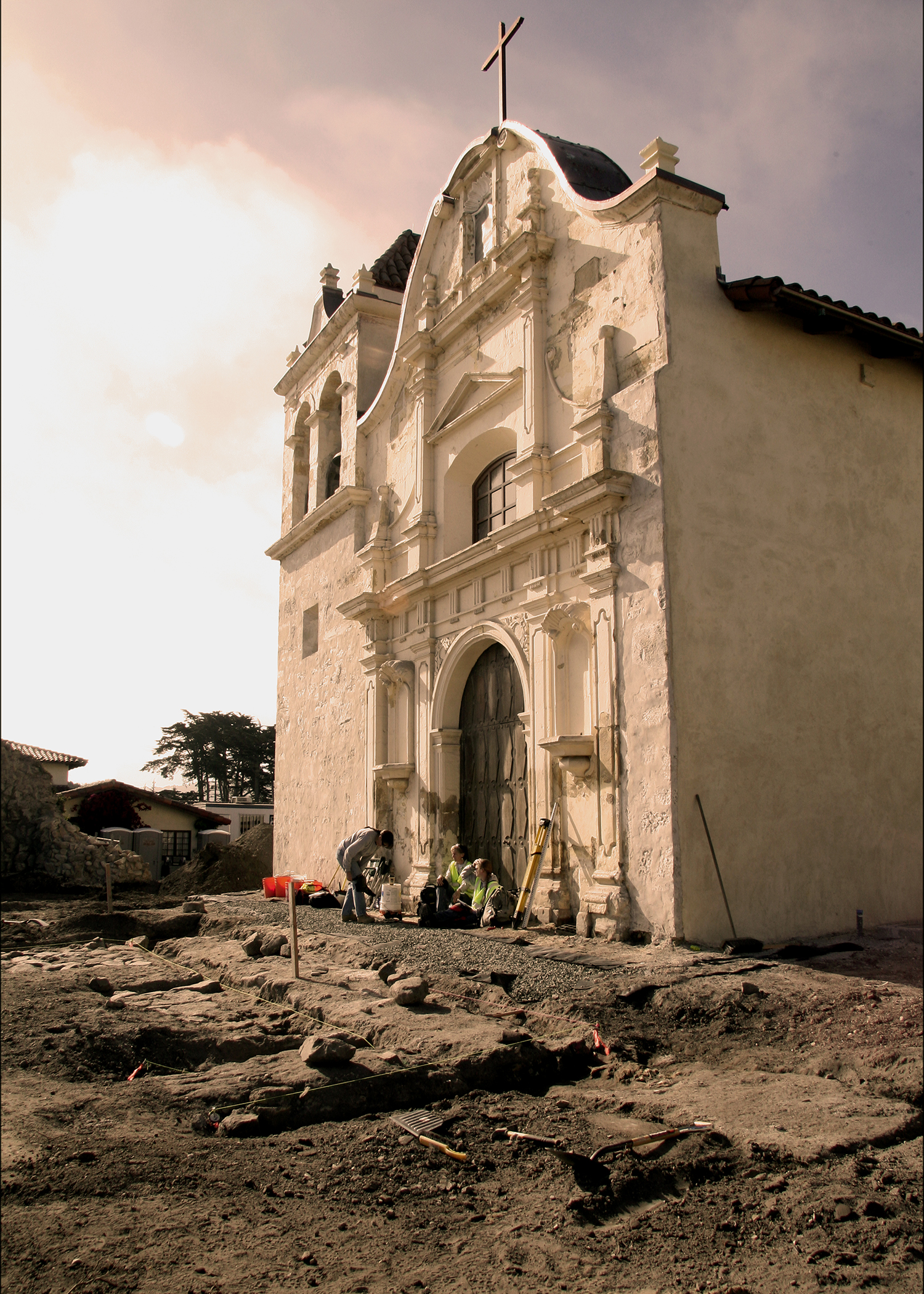 Climatological and archaeological evidence together reveal how early Monterey’s environment was shaped by Spanish colonial settlers in the late 18th century. By reconstructing past climate using proxy isotopic analyses, tree-ring data, sediment cores, and historical documents, we gain insight into environmental variability during the founding years of the Royal Presidio of Monterey and Mission San Carlos Borromeo. This study compares multidisciplinary datasets to examine climate conditions between 1770 and 1790, a pivotal period in the region’s transformation. Archaeological investigations at the Presidio further uncover how Spanish colonists adapted their diets to Monterey’s coastal landscape. Early reliance on marine resources reflects both environmental necessity and interaction with local indigenous Rumsen Ohlone and Esselen communities. Faunal and floral remains, along with pollen evidence trace the growing influence of New Spanish trade networks. Rising cattle bone frequencies mark the emergence of animal husbandry and a shifting colonial economy. Together, these findings reveal the interplay between climate, subsistence, and political economy that shaped the development of early Alta California.
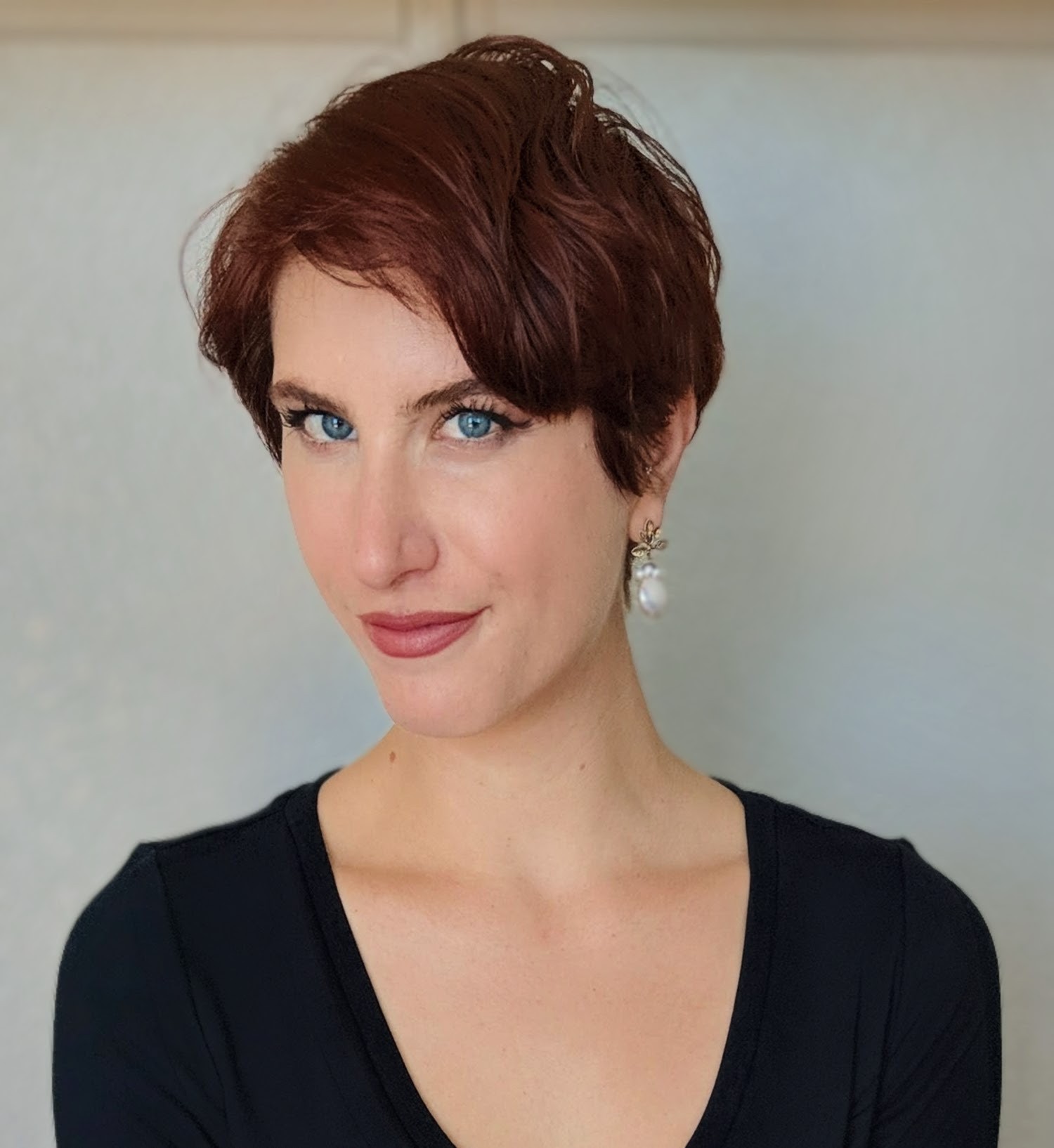 Jennifer A. Lucido, MA, is a historical archaeologist trained in the Master of Arts in Cultural Resources Management Program at Sonoma State University, where she focused on archaeological theory and heritage management. Jennifer’s research interests include mission-era archaeology, indigenous history, and colonial-period ethnogenesis and gender in Monterey County. She has published a host of scholarly works on the Spanish Royal Presidio of Monterey and related Spanish and Mexican colonial-era sites. Her contributions to preserving and interpreting early California history earned her the 2014 Father Fermín Francisco de Lasuén Award from the California Mission Curators and Directors Conference. She currently serves as a lecturer in the Social Sciences and Sociology programs at California State University, Monterey Bay. In addition, Jennifer is pursuing her PhD at National University, where her dissertation examines the instruction of anthropology in the post-COVID-19 era of higher education.

